
Permaculture is a way of working with nature to grow food, conserve resources, restore ecosystems, and strengthen communities. It invites us to consider how the choices we make today can create a healthier world for generations to come.
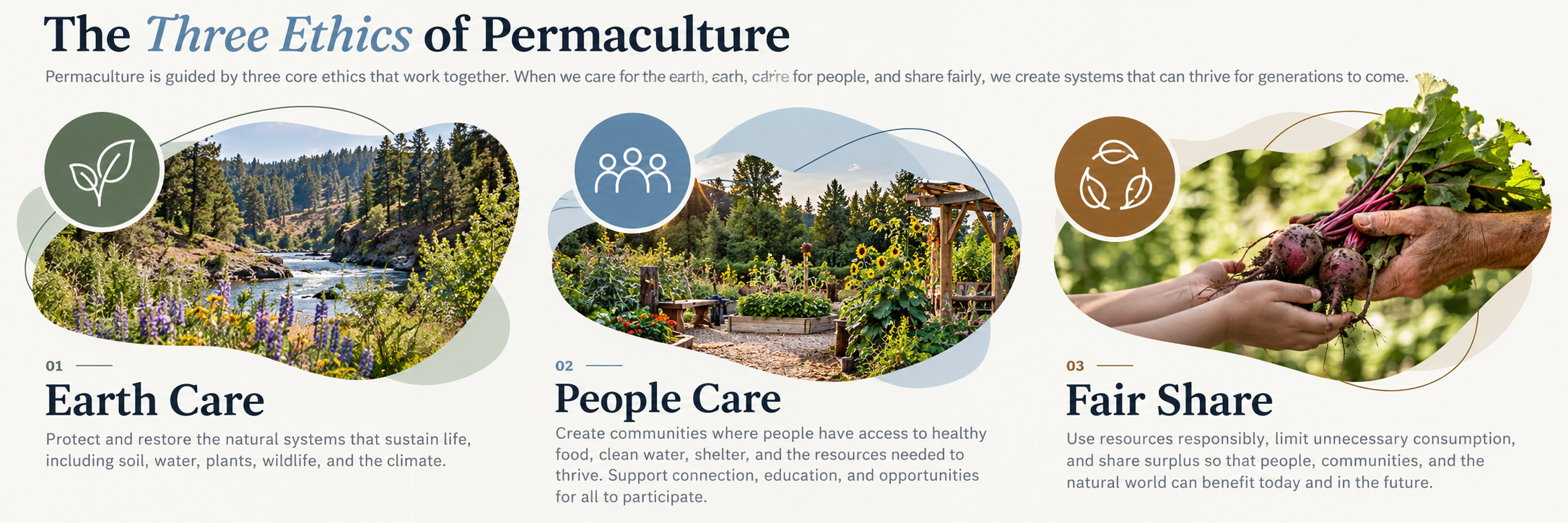
Permaculture begins with a simple idea: the places we live can be designed to support both people and the natural world. Rather than treating soil, water, plants, wildlife, and community as separate concerns, it looks at how each part affects the others. The three ethics below provide the foundation for those decisions.
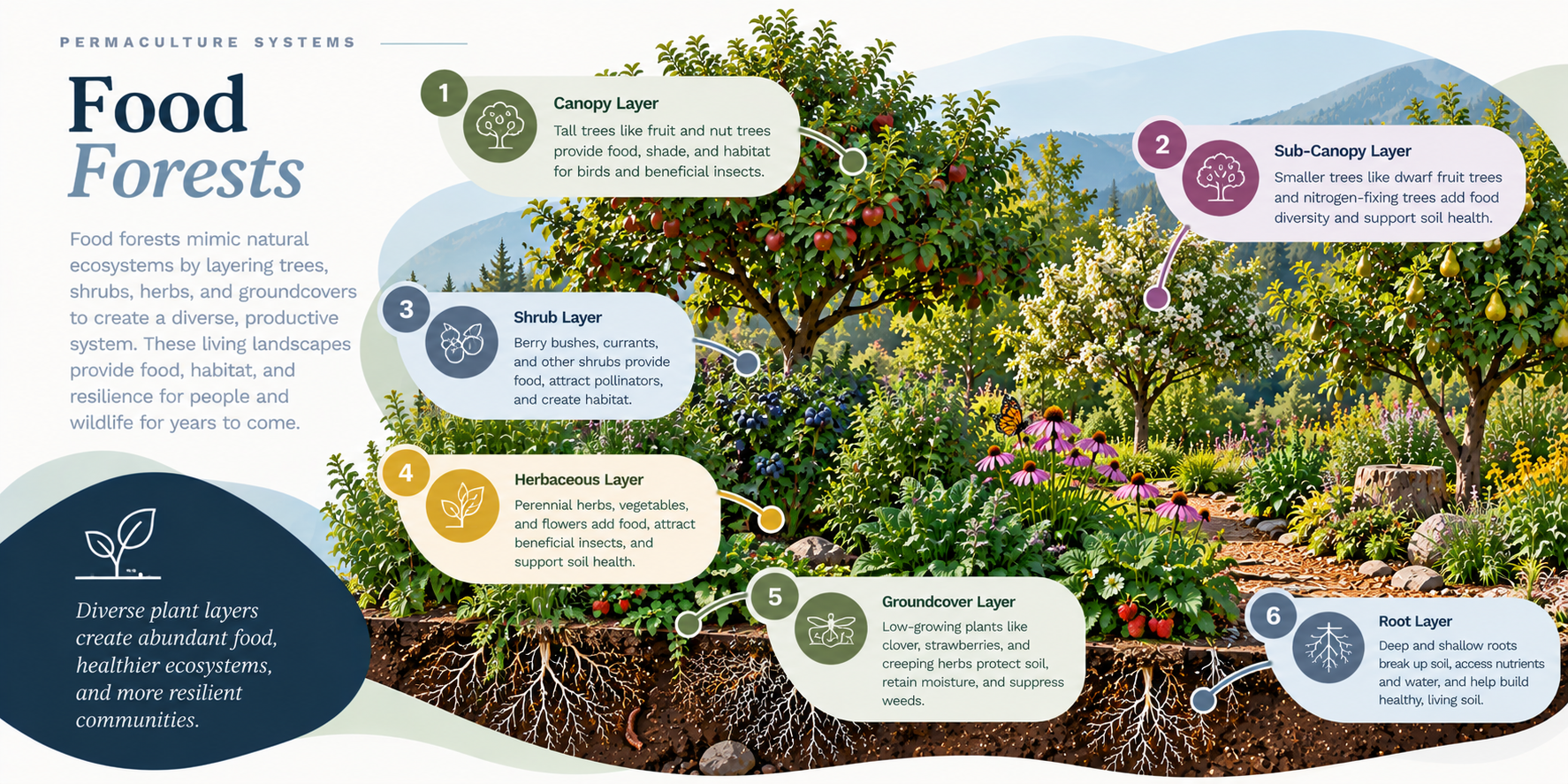
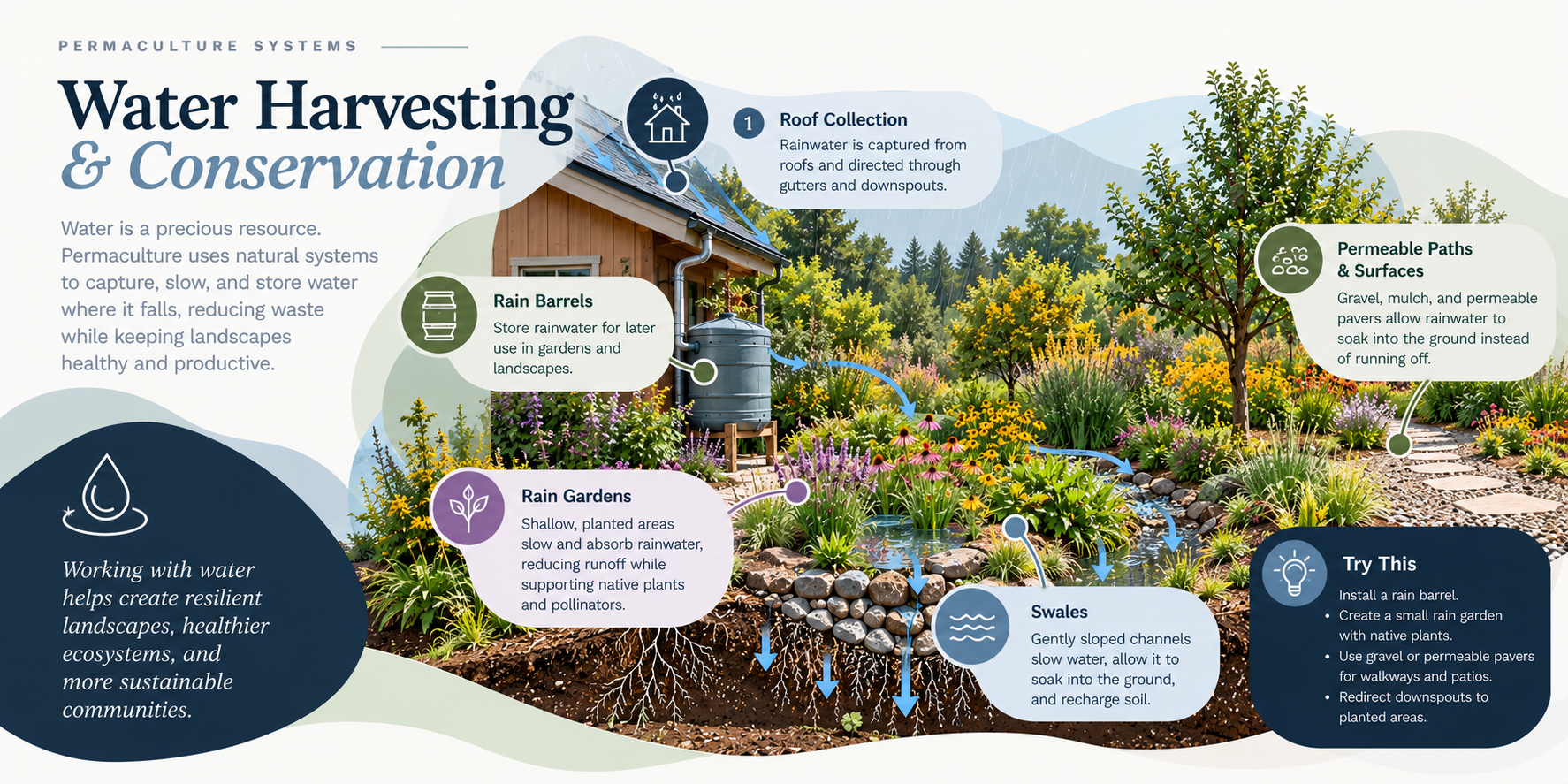
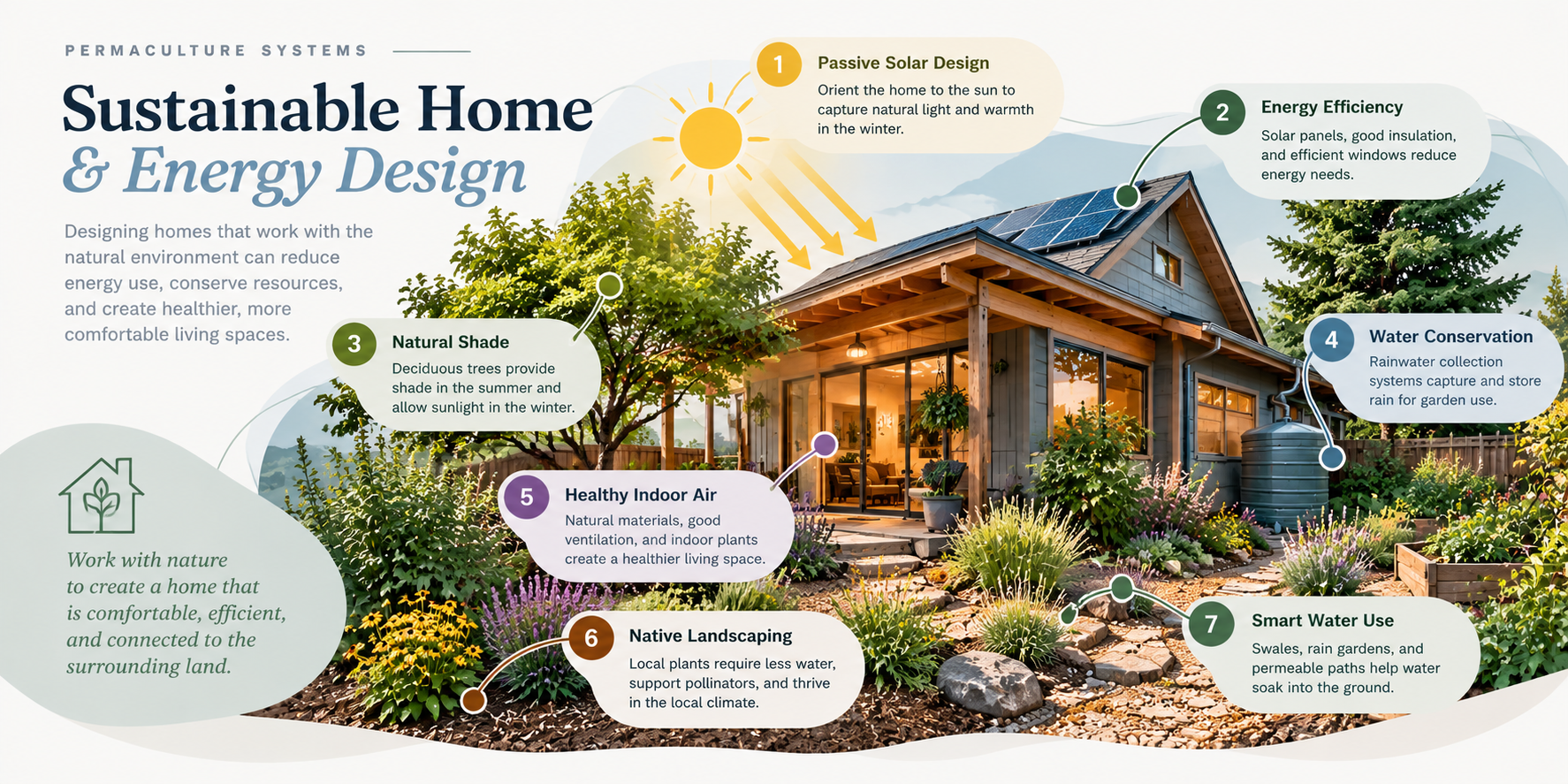
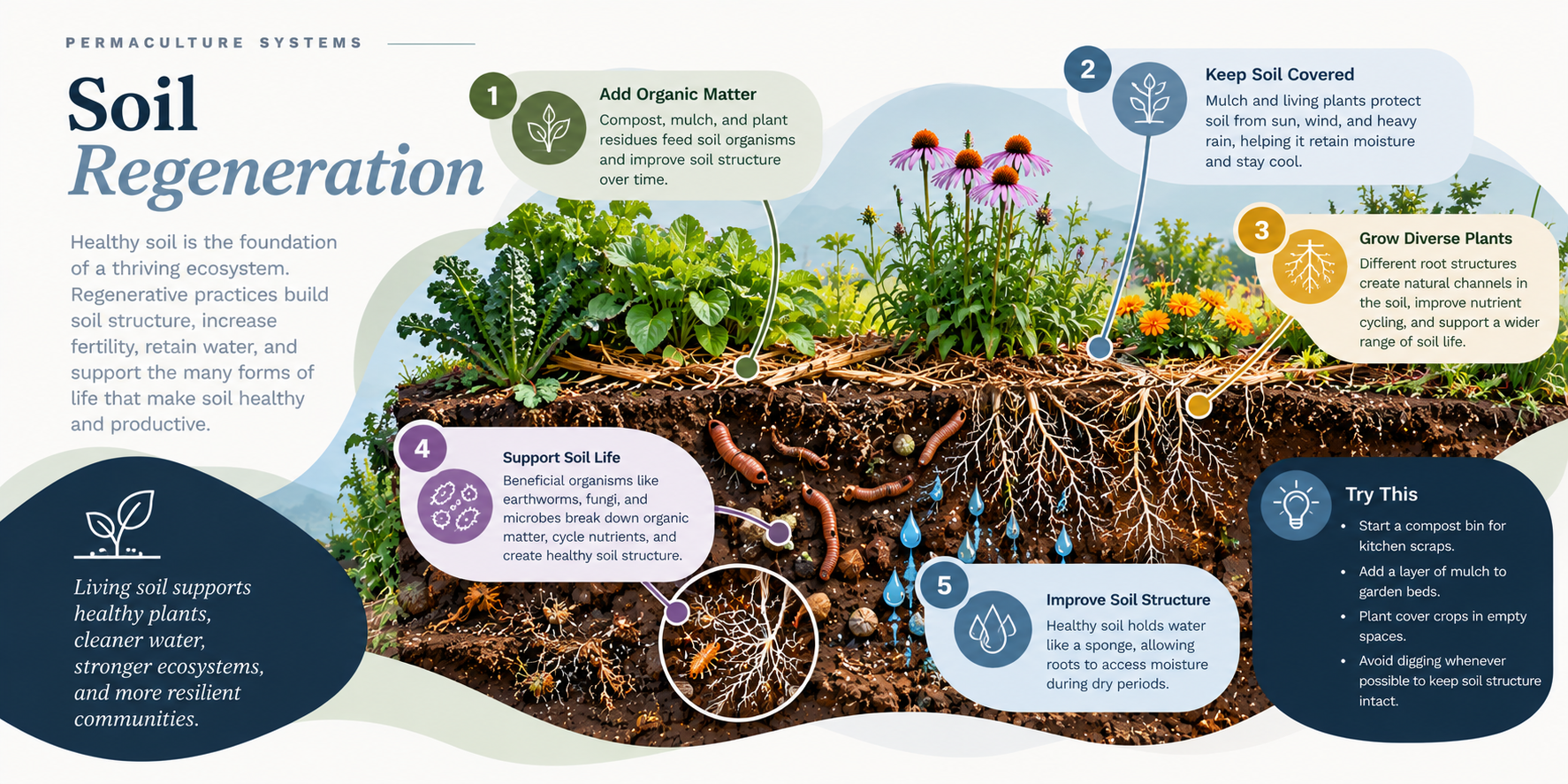
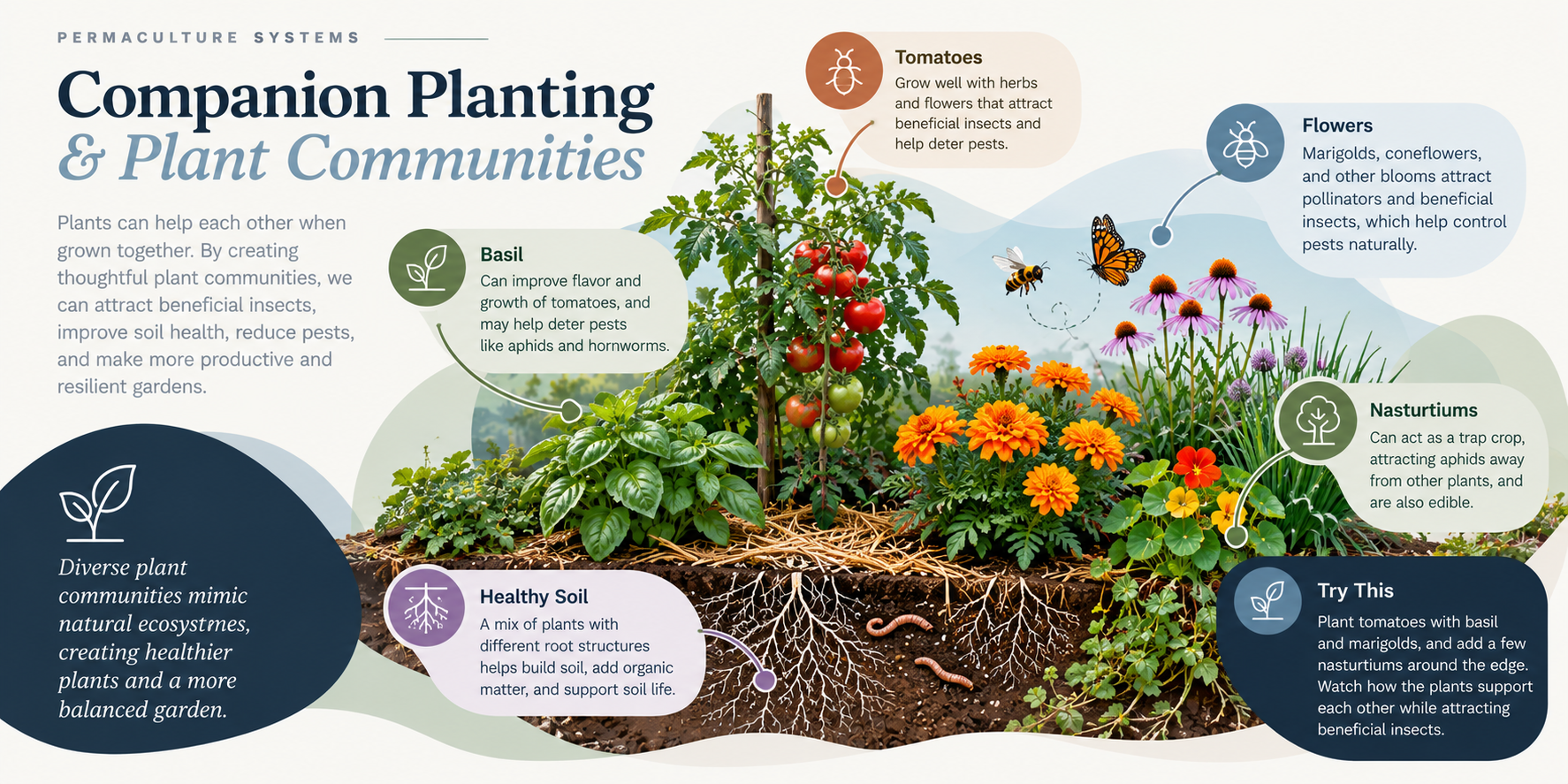
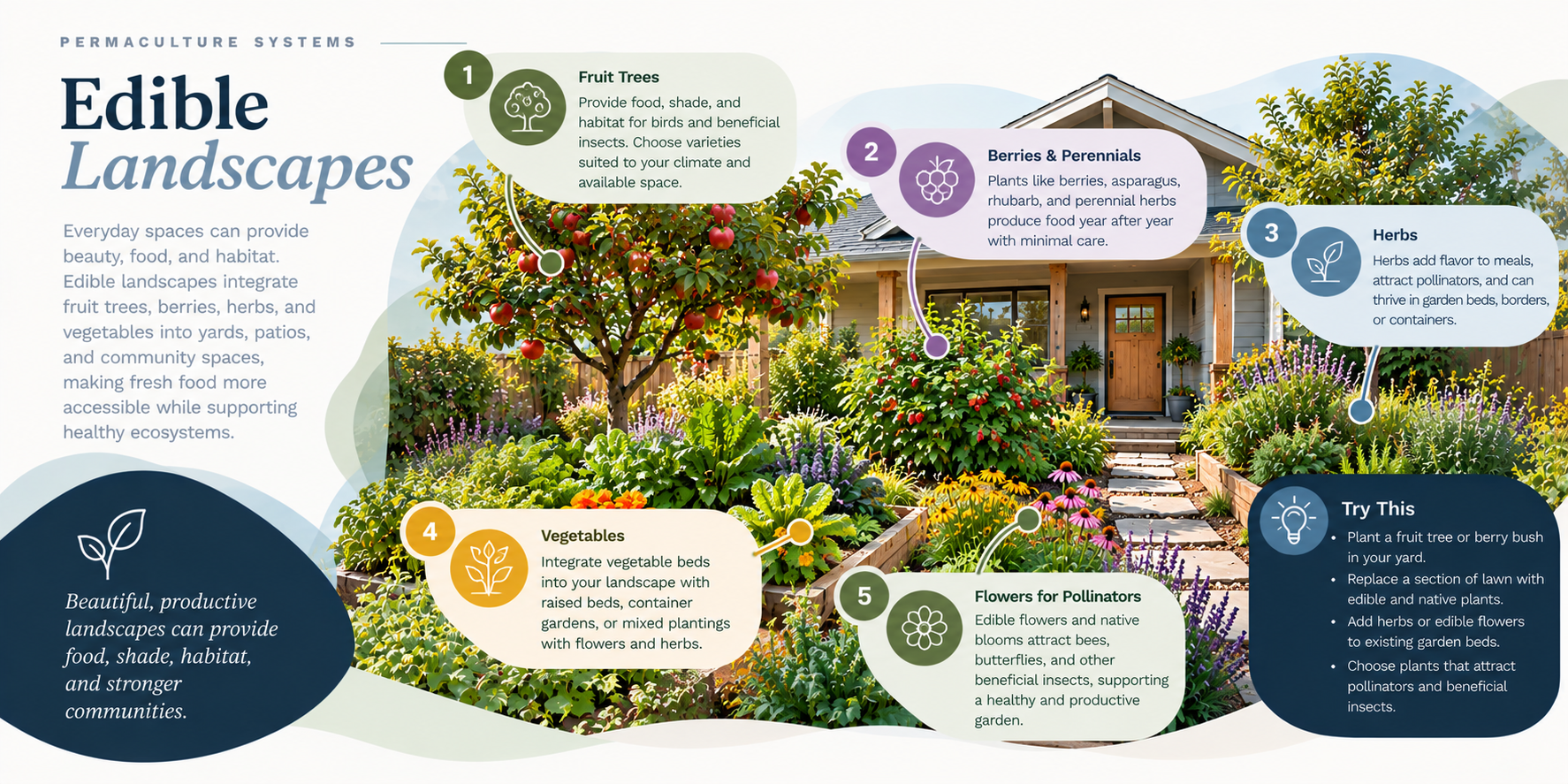
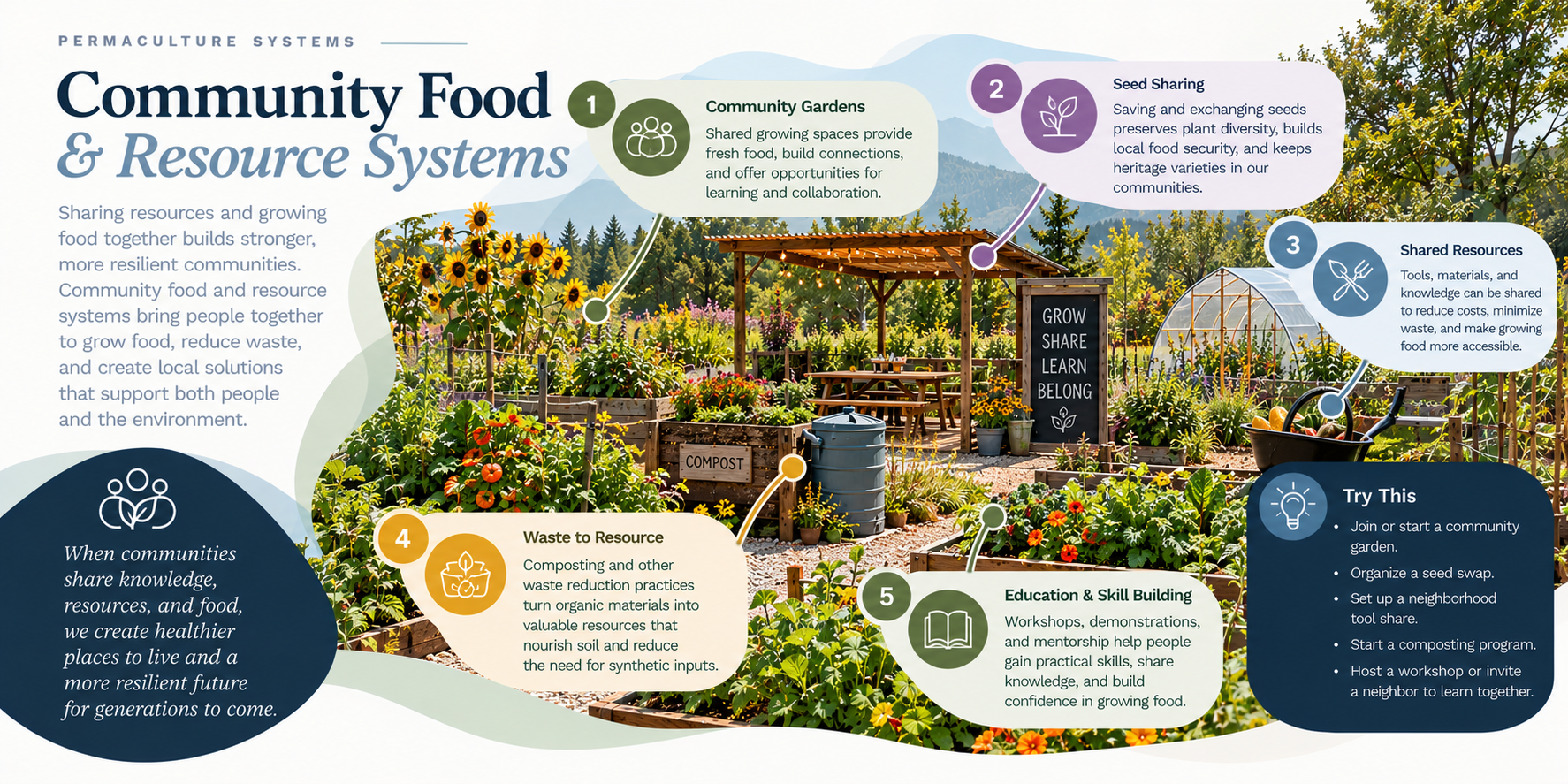
Those ethics become practical through thoughtful design. A food forest, for example, combines different kinds of plants in one growing space; water harvesting works with rainfall and the shape of the land; and healthy soil supports everything above it. Explore these eight approaches to see how permaculture can take shape at home and in a community.
With a lifelong passion for gardening and 25 years of experience in education, Mary helps individuals and communities create productive, regenerative landscapes. After completing Oregon State University's Permaculture Design Certificate course, she began sharing her expertise through education, design consultations, and her own developing urban food forest.
Through All Things Regenerative, LLC, Mary brings permaculture principles into practical landscape design and learning opportunities.
“My hope is that when my grandchildren look out their windows, they see a world just as beautiful as the one I see today. It's an ambitious goal, but I believe it's one we can achieve.”— Mary Bishop, Permaculture Designer & Educator · Edited from a conversation; approval pending
The Millwood Community Garden brings neighbors together to grow food, share skills, and strengthen community connections. With raised garden beds, gathering spaces, seasonal harvest celebrations, and volunteer workdays, the garden has become a place where people of all ages can learn, contribute, and connect with nature.
As the garden continued to grow, so did its vision. Working alongside Millwood Impact, Jeremy Clark, Amy Hendricks, Get Out and Volunteer Meetup Group, and Whitworth University students, Mary Bishop of All Things Regenerative helped bring permaculture principles into the landscape through the design of a community food forest.
Mary approached the project by first understanding the land itself. She studied sunlight, seasonal winds, water movement, and existing growing conditions before developing a planting design that brings trees, shrubs, herbs, and groundcovers together in a mutually supportive ecosystem.
Through thoughtful design and the dedication of community volunteers, the Millwood food forest demonstrates how a shared growing space can become something even greater: a living example of sustainability, collaboration, and care for future generations.
Explore the design process and the people helping bring the food forest to life in the project gallery below.


What began with a shared vision has grown into a living example of what people can accomplish together. Through Mary's thoughtful design and the dedication of local volunteers, the Millwood Community Garden demonstrates how permaculture can bring people closer to the land and to one another.
The food forest is more than a collection of plants. It's a place to learn, contribute, and help create something meaningful for generations to come.
You don't need acres of land to make a difference. Whether you have a backyard, a balcony, or a shared community space, you can start small and learn as you go.
Plant herbs, vegetables, or flowers in a pot, raised bed, or garden.
Try composting, mulching, or keeping the soil covered with living plants.
Choose plants suited to your climate and find ways to reduce runoff.
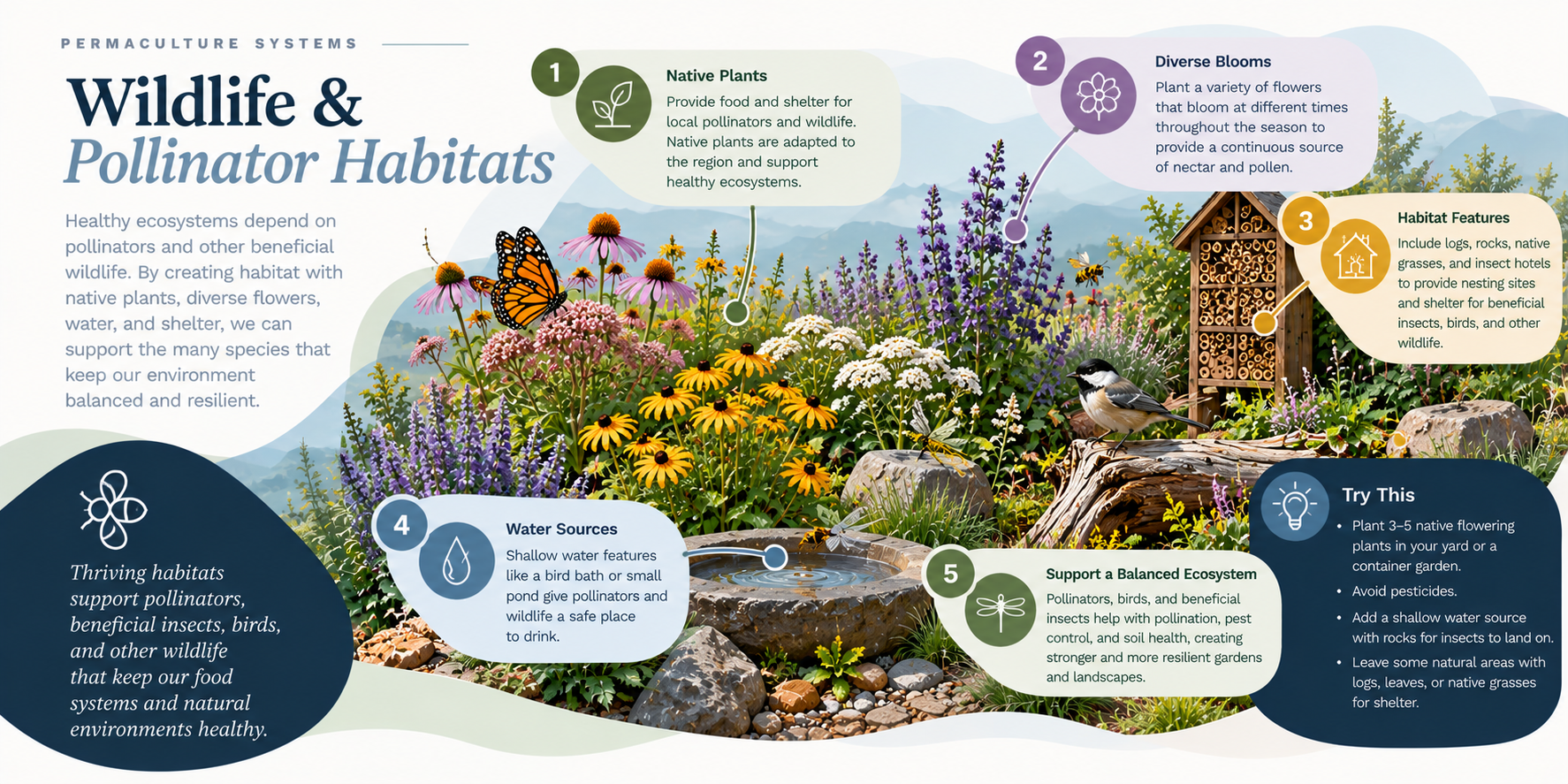
Add native flowers and habitat for pollinators and beneficial insects.
Exchange seeds, tools, food, or knowledge with your neighbors.
Notice sunlight, water, soil, and wildlife before making changes.
Explore these free resources for practical ways to make a difference where you live.
What we create today becomes the world others inherit tomorrow.
 0