
Wildlife Stewardship
There is a better way.
Protecting wildlife and supporting rural communities should not be competing priorities. Across the American West, people are demonstrating how thoughtful stewardship, practical solutions, and cooperation can protect livelihoods while preserving the animals and ecosystems that future generations deserve to inherit.
The Challenge
Moving Beyond Conflict
When wolves and other predators return to working landscapes, ranchers face real concerns about protecting livestock. Wildlife managers must also balance these concerns with the important ecological role these animals play.
Prevention offers another path. Range riding, attentive herding, guardian animals, electric fencing and removing attractants can reduce the risk of conflict before it becomes a crisis. These approaches require time, trust and cooperation, and the following four stories show how people are putting them into practice.
WASHINGTON | STORY 01
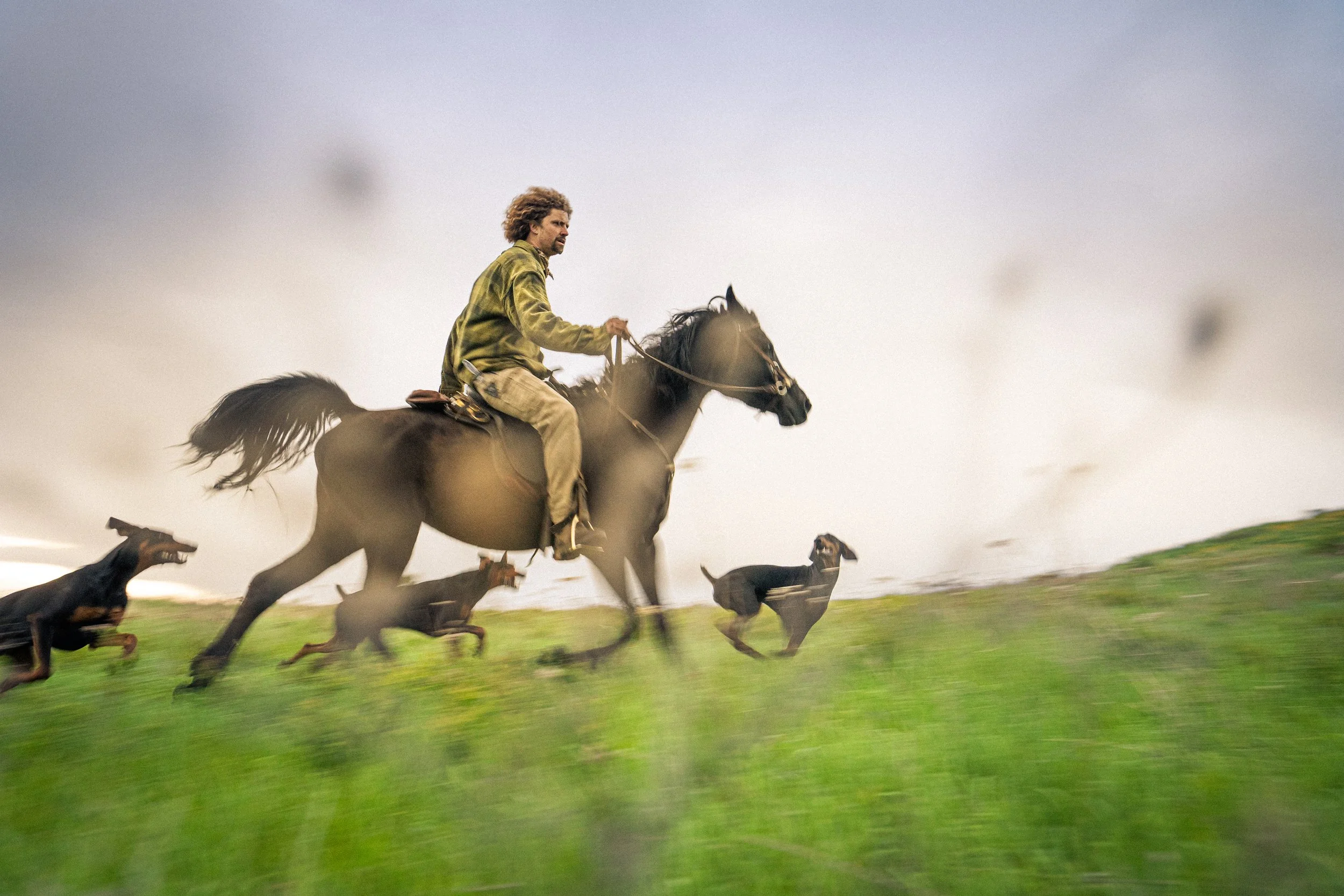
Daniel Curry The Range Rider
Daniel Curry, founder of GRIPH, works alongside ranchers to prevent conflicts between wolves and livestock before they escalate. Through range riding, observation and nonlethal deterrence, his work shows how practical field experience can protect livestock while leaving room for predators on the landscape.
Meet Daniel and GRIPH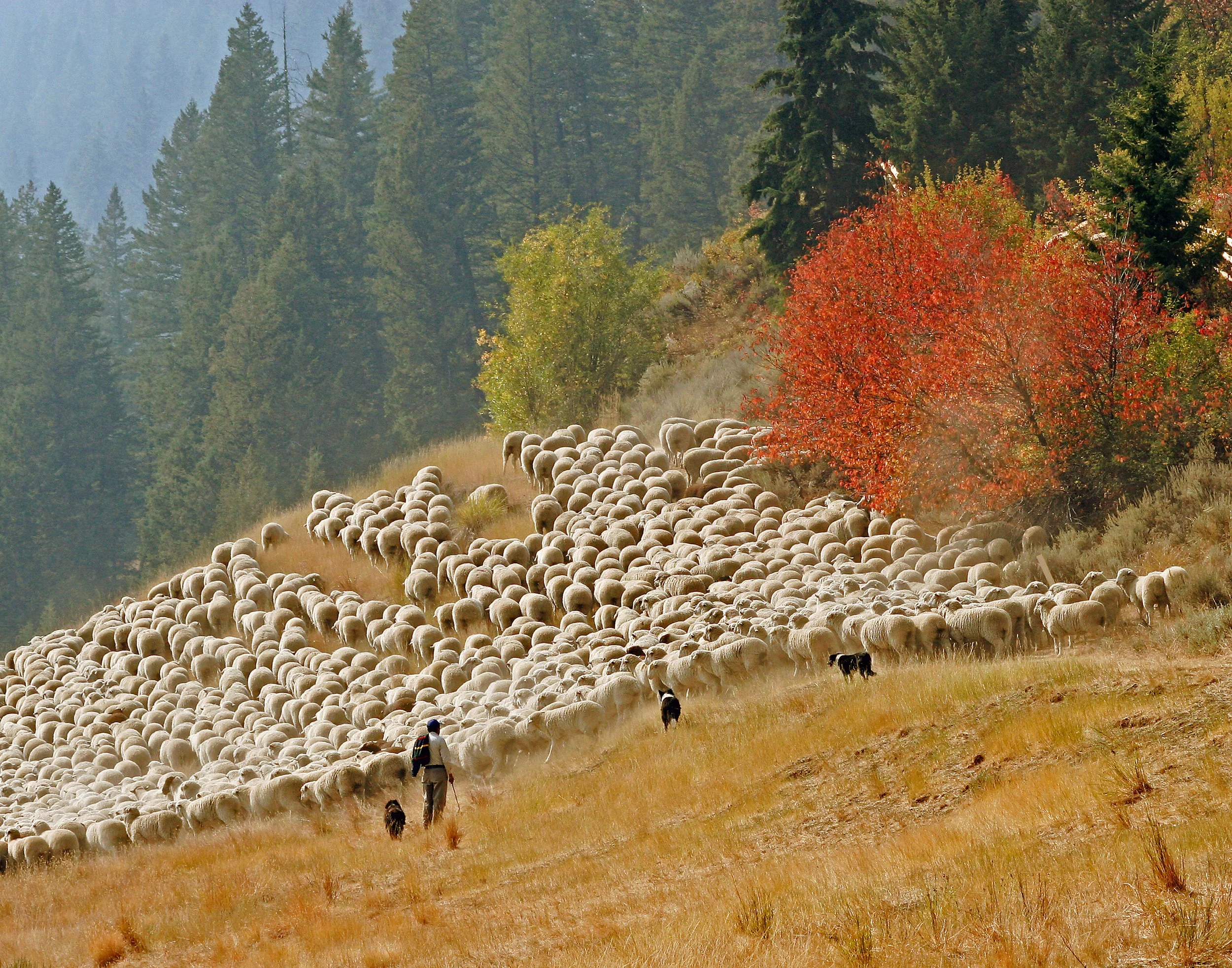
IDAHO | STORY 02
Wood River Wolf Project
Since 2008, the Wood River Wolf Project has brought sheep producers, conservationists and agencies together in Idaho. Its field teams combine close monitoring, human presence, guardian animals and nonlethal techniques to reduce losses and help sheep and wolves share the same landscape.
Explore the project
MONTANA | STORY 03
Blackfoot Challenge
In Montana's Blackfoot watershed, neighbors and landowners work together to prevent conflict with wolves and bears. Range riders monitor livestock and wildlife activity, while electric fencing, bear resistant containers and carcass removal help reduce the situations that put animals and people at risk.
Explore wildlife programs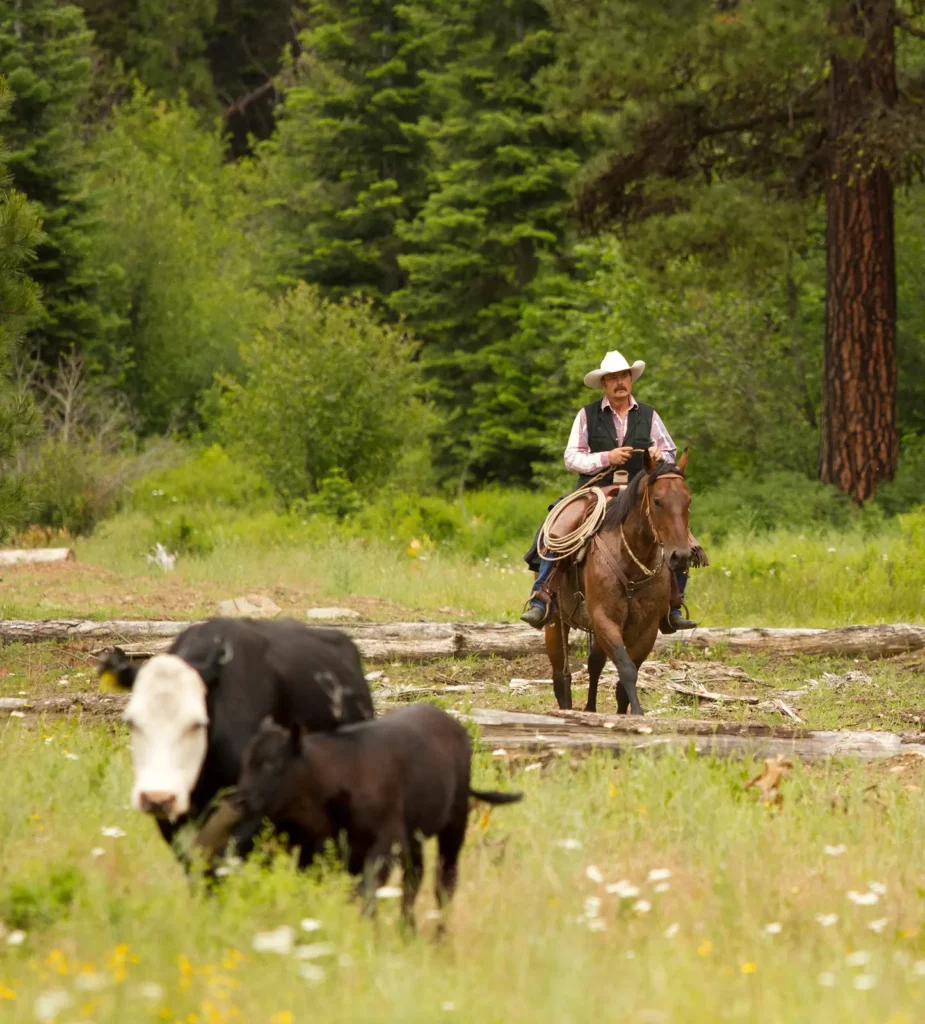
WASHINGTON | STORY 04
Conservation Northwest
Conservation Northwest helped launch Washington's first range rider pilot in 2011 and continues to support practical wolf coexistence work. By working with ranchers on livestock monitoring, improved herding and preventive deterrents, the organization helps bring conflict prevention into everyday ranch management.
See their fieldwork